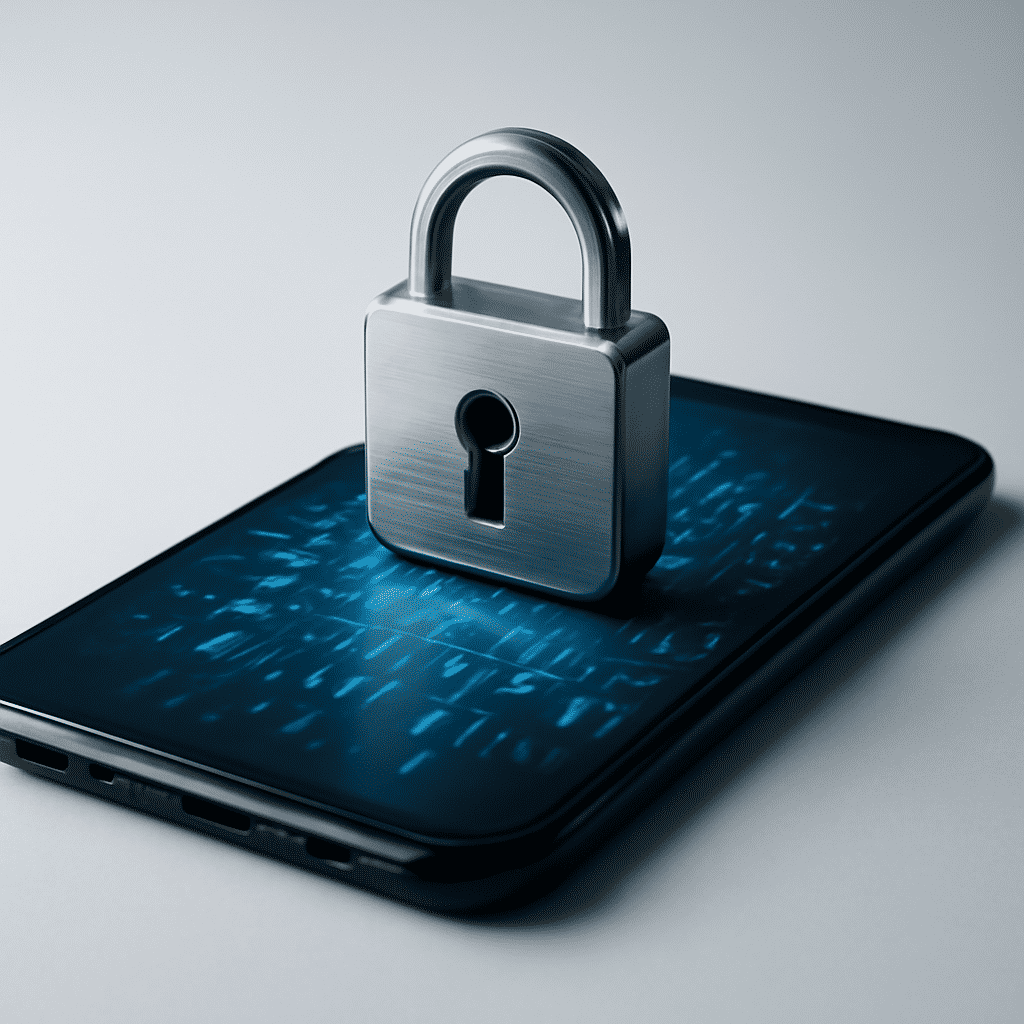
In today's rapidly evolving digital landscape, the need for robust security measures has become more pressing than ever. Mobile devices, which serve as gateways to our most private conversations, financial transactions, and sensitive data, are particularly vulnerable. Ensuring the confidentiality and integrity of data transmitted across these platforms is essential. Enter state-of-the-art encryption technology – a powerful ally in the mission to safeguard every connection on your mobile device.
Encryption, at its core, is the process of converting data into a code to prevent unauthorized access. This is achieved by using complex algorithms to scramble data, making it unreadable without the correct decryption key. As digital threats become more sophisticated, so too does encryption technology, staying one step ahead of cybercriminals.
The implementation of state-of-the-art encryption technology on mobile devices ensures that data is rendered useless to unintended recipients. This level of security is achieved through advanced protocols that secure data both at rest and in transit. Whether you're sending an email, making an online payment, or simply browsing the internet, top-tier encryption algorithms protect your data, offering peace of mind against potential breaches.
One of the key advancements in this domain is the adoption of end-to-end encryption. This technique ensures that only the communicating users can read the messages, with no intermediary having the capacity to decipher the content. Platforms that adopt end-to-end encryption guarantee that even if data is intercepted, it remains inaccessible without the specific decryption keys, which are stored only on the user's devices.
Moreover, modern encryption technologies have begun leveraging the power of machine learning to enhance security protocols. By analyzing patterns and anomalies in digital behavior, these systems can preemptively identify and mitigate threats before they manifest. This proactive approach represents a significant leap forward from traditional, reactive security measures.
Additionally, biometric encryption is emerging as a promising frontier in mobile security. With features such as facial recognition and fingerprint scanning becoming more commonplace, encryption can now tie data security to the unique biological traits of the user. This not only enhances security but also streamlines the user experience, making secure access as simple as a glance or a touch.
It's important to note that the power of encryption is not just in its complexity, but in its implementation. Regular updates, comprehensive user education, and adherence to best practices are crucial to maintaining the strength of these systems. Developers and users alike play a role in ensuring that encryption technologies continue to meet and exceed the challenges posed by cyber threats.
The rise of state-of-the-art encryption technology heralds a new era of confidence in digital security. By implementing these sophisticated measures, users can trust that their mobile devices are fortified against unauthorized access and data breaches. In a world where the stakes are higher than ever, encryption stands as a formidable guardian of privacy, ensuring that your most sensitive data remains in safe hands. As these technologies continue to evolve, they promise not only to protect our information but also to redefine our understanding of digital security in the years to come.